
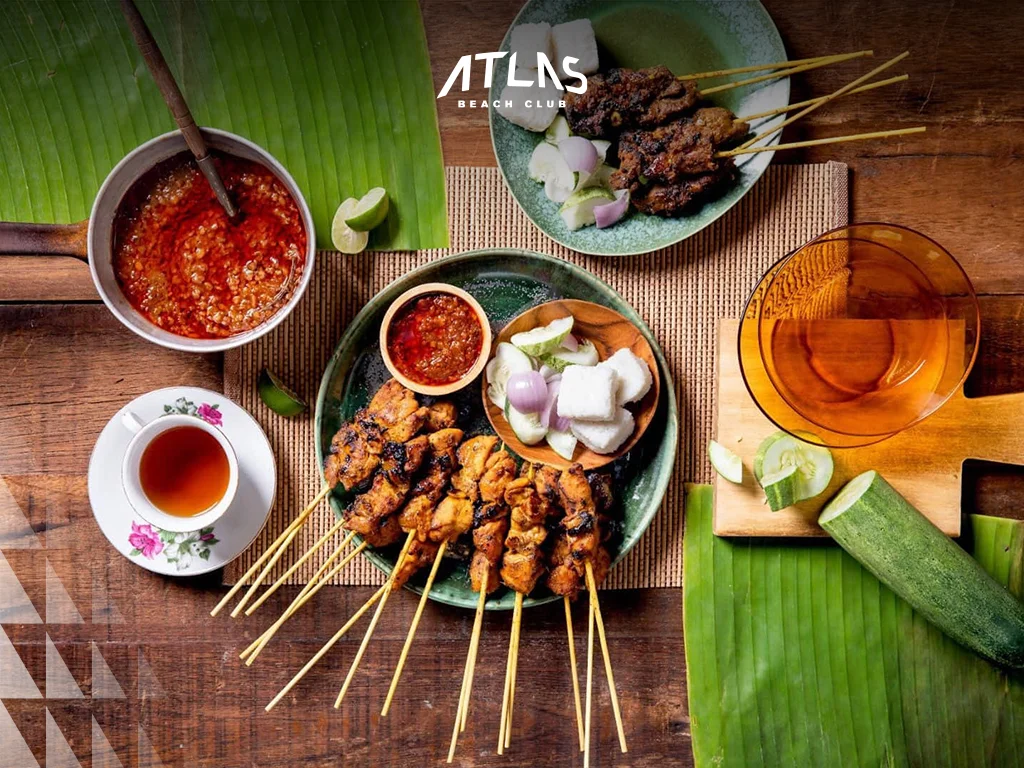
Asia is a continent that never fails to surprise travelers, especially those who live to eat. From fiery street noodles in Bangkok to delicate sushi in Tokyo and aromatic biryanis in India, Asia offers a sensory explosion that goes far beyond simple dining. Every bite tells a story — of centuries-old traditions, local ingredients, and passionate chefs. As we step into 2025, food tourism is thriving like never before, with travelers planning trips based purely on culinary experiences. If you’re ready to let your taste buds lead the way, here are the top food destinations in Asia for 2025 where taste meets adventure.
1. Bangkok, Thailand – The Street Food Capital of the World
If there’s one city that defines Asian street food, it’s Bangkok. From sunrise to midnight, the streets of Thailand’s capital are packed with sizzling woks, fragrant spices, and endless food stalls. Whether you’re craving spicy Pad Thai, creamy Green Curry, or crispy Mango Sticky Rice, Bangkok delivers it all.
The city’s famous night markets, like Yaowarat Road (Chinatown) and Chatuchak Market, are culinary playgrounds for food lovers. Every stall has its own charm, and part of the adventure is simply following your nose. In 2025, Bangkok continues to be a must-visit destination for those who crave authentic, flavorful, and affordable eats.
2. Tokyo, Japan – Where Tradition Meets Perfection
Tokyo is a city that takes food seriously. From Michelin-starred sushi restaurants to tiny ramen shops tucked into subway stations, Tokyo’s culinary scene is all about precision and passion. Every dish, whether it’s a simple bowl of ramen or a perfectly sliced piece of sashimi, reflects a deep respect for ingredients and craftsmanship.
Don’t miss Tsukiji Outer Market, where you can sample fresh seafood, tamago (Japanese omelet), and grilled scallops straight from the stalls. For something warm and comforting, head to Ichiran Ramen or Ippudo to experience Japan’s famous noodle culture. Tokyo’s food scene in 2025 promises both tradition and innovation — a feast for the eyes and the palate.
3. Penang, Malaysia – Asia’s Melting Pot of Flavors
Often called the “Food Paradise of Asia,” Penang is a cultural and culinary treasure. Influenced by Malay, Chinese, and Indian traditions, the island offers an explosion of flavors unlike anywhere else. You’ll find street stalls serving Char Kway Teow (stir-fried rice noodles), Nasi Kandar (spiced rice with curries), and Laksa (spicy noodle soup).
The best way to experience Penang’s food is by exploring George Town, where every corner hides a new surprise. In 2025, expect to see more modern food festivals blending traditional recipes with innovative twists — proving Penang’s status as one of Asia’s tastiest destinations.
4. Seoul, South Korea – The Land of Bold Flavors
Korean food has taken the world by storm, and there’s no better place to experience it than Seoul. From sizzling Korean BBQ and spicy Tteokbokki (rice cakes) to comforting bowls of Bibimbap, Seoul’s culinary offerings are as bold as its culture.
The vibrant Gwangjang Market and Myeongdong Street are must-visits for street food lovers. Try Hotteok (sweet pancakes), Odeng (fish cakes), and freshly fried Korean chicken — all made right before your eyes. With its mix of tradition, innovation, and fiery flavors, Seoul remains one of Asia’s top food destinations for 2025.
5. Mumbai, India – A Feast of Colors and Spices
In India, food is more than sustenance — it’s an emotion. And nowhere is this truer than in Mumbai, where every street corner tells a different culinary story. From spicy Vada Pav and buttery Pav Bhaji to crispy Bhel Puri by the seaside, Mumbai’s street food is a whirlwind of flavor.
For a deeper dive into Indian cuisine, visit Crawford Market or Mohammed Ali Road, where aromas of kebabs, curries, and sweets fill the air. In 2025, Mumbai continues to shine as a top destination for travelers who want to explore India’s diverse and flavorful food culture in one city.
6. Taipei, Taiwan – The Night Market Haven
When the sun sets, Taipei transforms into a night market paradise. The city’s streets come alive with food stalls offering everything from Stinky Tofu to Beef Noodle Soup and Bubble Tea — Taiwan’s iconic drink that’s now a global trend.
The Shilin Night Market is the crown jewel, attracting locals and tourists alike. Each stall has its specialty, whether it’s crispy chicken cutlets or grilled squid. What makes Taipei special is how it celebrates both tradition and fun — you can taste history and modern creativity in every bite.
7. Hanoi, Vietnam – A Symphony of Street Flavors
Hanoi is where simplicity meets perfection. The city’s food scene is dominated by street vendors serving dishes that have been perfected over generations. Pho (noodle soup) is the star, but you’ll also find delicious Bánh Mì sandwiches, Bún Chả (grilled pork with noodles), and Egg Coffee, a unique local specialty.
The charm of Hanoi lies in its authenticity — locals gather on small stools by the roadside, chatting and eating together. It’s a culinary culture built on community, flavor, and tradition. For food travelers in 2025, Hanoi remains one of Asia’s most authentic and affordable food destinations.
8. Singapore – Where Every Bite Tells a Story
Singapore is a modern city built on diversity, and its food reflects that perfectly. Here, Chinese, Malay, Indian, and Peranakan influences blend into a culinary experience that’s truly one of a kind.
Visit Maxwell Food Centre or Lau Pa Sat to try iconic dishes like Hainanese Chicken Rice, Laksa, and Chili Crab. What makes Singapore stand out is how it celebrates its hawker culture — many hawker stalls even have Michelin recognition. In 2025, the city continues to prove that great food doesn’t have to come with a hefty price tag.
9. Bali, Indonesia – A Tropical Feast
Bali may be known for its beaches and sunsets, but its food scene is just as unforgettable. From traditional Nasi Goreng (fried rice) and Satay skewers to trendy smoothie bowls and vegan cafes, Bali caters to every taste.
Ubud and Seminyak are especially popular for their mix of local warungs (small eateries) and high-end fusion restaurants. Bali’s focus on fresh, local ingredients and sustainable dining makes it one of Asia’s most forward-thinking food destinations for 2025.
10. Chengdu, China – The Capital of Spice
If you love bold, numbing, and fiery flavors, Chengdu in China’s Sichuan province should be at the top of your list. Famous for its Hot Pot, Mapo Tofu, and Dan Dan Noodles, Chengdu’s cuisine is all about spice and depth.
In 2025, the city continues to attract food travelers eager to explore the unique sensation of “mala” — the tongue-tingling combination of Sichuan pepper and chili. With its UNESCO recognition as a “City of Gastronomy,” Chengdu is a must for anyone who craves authentic Chinese flavors.
FAQs About Food Travel in Asia
1. What makes Asia a great food travel destination?
Asia’s diversity in culture, ingredients, and cooking methods makes it the ultimate food destination. Each region has its own unique flavor profile and cooking style.
2. Is street food safe to eat in Asia?
Yes, if you choose stalls with high customer turnover and freshly cooked food. Locals usually know the best and safest spots.
3. When is the best time to visit Asia for food tourism?
Most travelers prefer the dry season (October–March), but food festivals happen year-round, making any time a good time for food travel.
4. Are vegetarian options easily available in Asia?
Absolutely. Countries like India, Thailand, and Vietnam offer plenty of vegetarian and vegan-friendly dishes.
5. How can I plan a food-focused trip in Asia?
Research local food tours, explore night markets, and visit traditional cooking classes to truly connect with each destination’s culinary culture.
Conclusion
Food is the heartbeat of Asia — it’s how people connect, celebrate, and express their culture. From the spicy streets of Bangkok to the refined sushi bars of Tokyo, every destination offers its own delicious adventure. In 2025, as food tourism grows, these destinations promise not just great flavors but unforgettable experiences that combine taste, culture, and community.
So pack your appetite, grab your chopsticks (or hands), and get ready to explore where taste meets adventure — one bite at a time.