
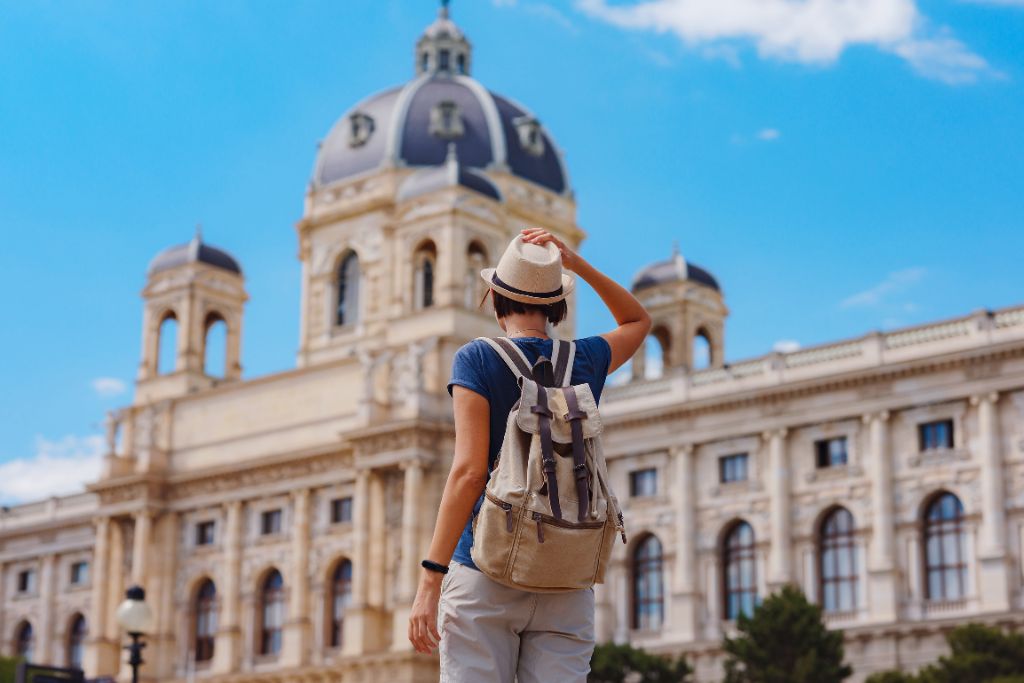
Solo travel is one of the most fulfilling and inspiring things you can do. You can use your free time to visit new places, experience different cultures, and learn more about yourself along the way. But planning your first solo trip can be tricky. From choosing the right destination to ensuring safety, there’s a lot to consider.
But don’t worry! This comprehensive guide gives you all the essential safety tips and information you need to plan your first solo trip with confidence and ease. These tips will ensure your solo trip goes smoothly, is enjoyable, and creates unforgettable memories, wherever you go—whether it’s a nearby city or halfway around the world.
Why travel alone?
When you travel alone, you’re in control of your entire journey. You decide where you go, what you see, and when you go. It’s a fantastic opportunity to learn more about yourself and grow. Many people find that traveling alone pushes them beyond their comfort zone, building confidence, freedom, and problem-solving skills. It’s also a fun way to meet new people and create lifelong memories, all at your own pace.
If you’re still unsure, remember: solo travel can be an incredibly rewarding experience, with the benefits far outweighing the drawbacks. Here are the steps you need to take to plan your first solo trip.
1. Choose the right destination
Consider safety and accessibility
Choosing the right destination should be your top priority when planning your trip. Always consider safety and accessibility when choosing a destination. Some places are better suited to solo travelers than others, offering better amenities, more reliable transportation, and a more welcoming atmosphere for those seeking a solo adventure.
Countries like Iceland, New Zealand, Japan, and Scandinavia are known for their safety, convenient public transportation, and overall friendliness to solo travelers. Getting around these places is generally easy, and there are plenty of opportunities to have fun and experience other cultures.
If you’re nervous about traveling to far-flung or unfamiliar places, start with a more familiar destination, such as a city or country where English is widely spoken, or a place you’ve always wanted to visit but never had the chance.
Do your homework and read reviews
Once you’ve chosen a destination, do your research. Join solo traveler groups on Facebook and read reviews of hotels, itineraries, and restaurants from other solo travelers. You can also use websites like Lonely Planet and TripAdvisor for recommendations, safety tips, and real-world stories.
Tip: Google your destination’s safety rating and read about common scams, places to avoid, and tips for traveling alone.
2. Make an itinerary
First, make a general plan
It can be tempting to plan every detail of your trip, but one of the best things about traveling alone is that you can change your plans at any time. If this is your first solo trip, it’s best to plan where to go, what to do, and where to stay.
Take the time to explore and experience new things that can arise at any time. However, plan your first few days in advance so you can acclimatize and feel comfortable.
Tip: If you’re traveling to a new city or country, consider booking an organized tour to help you acclimatize during the first few days. Local guides can also provide valuable information about local history and culture.
Familiarize yourself with your transportation options
Your trip will be much easier if you know how to get around your destination. Learn about the subway, buses, taxis, and transportation apps like Uber and Lyft, if available. Choose whether to travel by train, bus, or plane between cities or countries, and look for budget-friendly options like Flixbus or Skyscanner.
If you’re traveling to a country where English isn’t spoken, learn some basic transportation concepts, like how to read road signs and ask for directions.
3. Don’t overpack; plan ahead
Bring only the essentials. When traveling alone, you need to pack light. For a comfortable trip, it’s important to keep your luggage light. For your first solo trip, try to pack only the essentials, such as clothes, toiletries, travel documents, and electronics. Don’t overpack and don’t bring things you might not need but do need “just in case.”
What to wear: Bring clothes that you can mix and match. Neutral.
A portable charger, a universal power adapter, and any electronics you need for your trip, such as a smartphone, camera, etc.
Tip: Organizer bags help you organize your clothes and find items more quickly in your bag. This also helps minimize the amount of space you need.
4. Stay connected and share your plans
Stay connected with friends and family
If you’re traveling alone, it’s crucial to stay connected with your family. Tell close friends or family about your travel plans, including where you’ll be staying, when you’ll be traveling, and who to contact in case of emergency.
You can use messaging apps like WhatsApp or travel apps to stay connected and always keep others updated on your location.
Use offline maps and navigation
Use a local SIM card or international travel plans to stay connected while traveling. You can also use offline maps on your phone, such as Google Offline Maps or Maps.me, to navigate even when you’re offline.
Tip: Download some handy travel apps to help you navigate, exchange money, and translate languages.
5. Safety first; trust your instincts.
Choose a safe place to stay
If you’re traveling alone, choosing a safe place is crucial. Hostels, guesthouses, and budget hotels are ideal for solo travelers because they offer a social environment and generally take safety measures. Check reviews from other solo travelers to ensure your accommodation is safe, welcoming, and friendly.
If you prefer more privacy, choose a safety-conscious hotel or a reputable Airbnb.
Be aware of your surroundings
When traveling alone, it’s crucial to be aware of your surroundings. Be careful with your belongings in crowded areas like train stations and markets, and avoid walking alone in unfamiliar areas late at night.
Remember this tip: If you feel threatened or uneasy, follow your instincts and leave the area. It’s better to be safe than sorry.
6. Get used to traveling alone
Enjoy your time alone. Traveling alone allows you to savor the solitude and reflect on life. You don’t have to conform to others or try to please them to do what you want. Embrace the freedom and joy of exploring new places on your own. Sometimes you can be alone. Use this time to read, reflect, or simply enjoy your trip.
You can sit alone in a cafe, dine alone, or stroll through the city alone. Traveling alone allows you to appreciate the here and now.
7. Be open to new encounters
Connect with other travelers
Traveling alone is a great way to learn more about yourself and meet new people from all over the world. You can meet new travelers on hikes, in hotels, or in cafes. Making new friends makes your trip more enjoyable. If you’re shy, start small, like joining a free walking tour or visiting places popular with other solo travelers. If you’re looking for interesting activities or meetups in your area, use apps like Couchsurfing or Meetup. These can also help you connect with like-minded people and discover hidden gems in the area you’re visiting.
FAQs
1. How do you choose the best destination for your first solo trip?
When choosing a destination, consider safety, good communication (English-speaking countries or places with many English road signs), comfort, and your interests. Research which places are suitable for solo travel and choose one you feel comfortable in.
2. How do you stay safe when traveling alone?
Choose safe accommodations, be aware of your surroundings, and keep your belongings in a secure, lockable bag. Always trust your instincts and stay away from dangerous situations. Tell your family about your plans and stay in regular contact.
3. What should I do if I get lost in an unfamiliar place?
Don’t panic if you get lost! Take time to gather your thoughts. Make an offline map or ask locals for help. People are usually happy to help, and a simple “Excuse me” or “Where is [destination]?” is enough.
4. Can I travel alone if I don’t speak the local language?
Yes, communication problems are normal when traveling alone, but with patience, you can overcome them. You can use translation apps, learn a few simple words and phrases in the local language, and rely on body language or facial expressions. In many resorts, most people speak English.
5. What should I do if I feel lonely while traveling alone?
It’s normal to feel lonely sometimes; it’s part of life. Solo travel is an opportunity to reflect on yourself and grow. If you want to meet new people, travel with a group, participate in activities,