
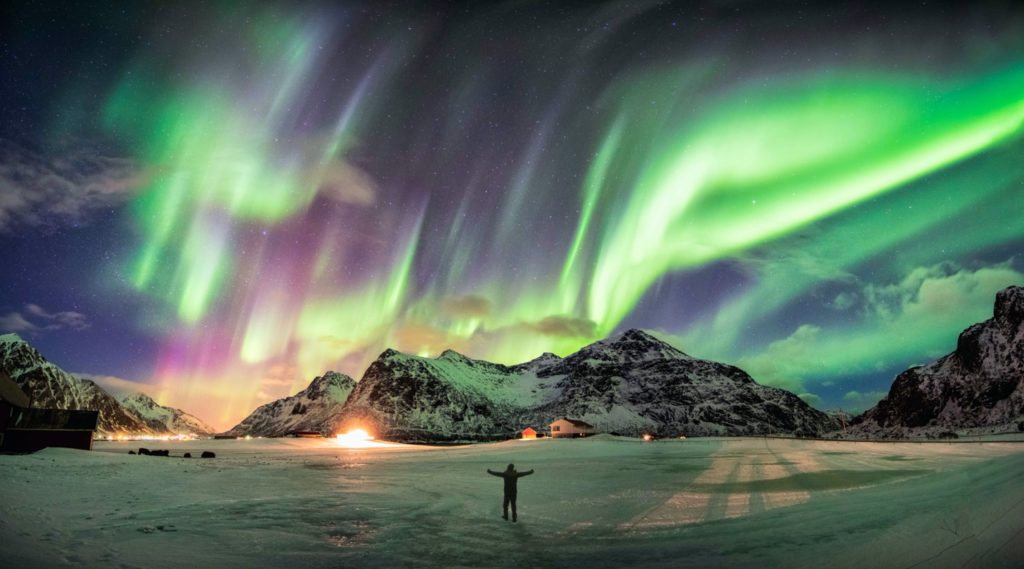
There’s something magical about the Northern Lights. Dancing ribbons of green, purple, and pink illuminate the night sky, creating a natural spectacle that feels almost otherworldly. Iceland has become one of the most popular destinations to witness this phenomenon, and for good reason. But with so many tour options available and varying weather conditions, you might wonder: is it really worth booking a Northern Lights tour?
I recently experienced a Northern Lights tour in Iceland firsthand, and I’m here to share an honest review. From planning tips to what actually happens on the tour, I’ll walk you through everything you need to know before you book. Whether you’re a first-time visitor or a seasoned traveler, this guide will help you decide if chasing the Aurora Borealis in Iceland is the right adventure for you.
Planning Your Northern Lights Tour
Best Time to Visit Iceland for Northern Lights
Timing is everything when it comes to seeing the Northern Lights. The Aurora season in Iceland runs from late August through mid-April, with peak viewing typically occurring between September and March. During these months, you’ll have longer, darker nights that provide optimal conditions for spotting the lights.
That said, seeing the Northern Lights isn’t guaranteed. Solar activity, cloud cover, and weather conditions all play a role. Even during peak season, you might need multiple attempts. I recommend staying in Iceland for at least 4-5 nights to increase your chances.
Types of Tours Available
Iceland offers several types of Northern Lights tours to fit different travel styles and budgets:
Group tours are the most affordable option, typically ranging from $50-$100 per person. These tours pick you up from your hotel in Reykjavik and take you to various viewing spots with a group of 15-40 people.
Private tours cost more (usually $300-$600 for a small group) but offer a more personalized experience. Your guide can customize the route and spend more time at locations that work best for photography.
Self-drive tours give you complete freedom to chase the lights on your own schedule. You’ll need to rent a car and use Aurora forecast apps to find clear skies. This option works best if you’re comfortable driving in potentially challenging winter conditions.
I opted for a group tour during my visit, which provided a good balance of affordability and expertise.
What to Pack for a Northern Lights Tour
Iceland’s winter weather can be brutal, especially when you’re standing outside for hours at night. Here’s what you’ll need:
- Thermal base layers (top and bottom)
- Insulated winter jacket (waterproof if possible)
- Warm hat, gloves, and thick socks
- Sturdy, waterproof boots with good traction
- Hand and toe warmers (absolute lifesavers)
- Thermos with hot drinks
- Camera with manual settings and spare batteries (cold drains them quickly)
Don’t underestimate how cold it gets. Even if you think you’ve packed enough warm clothing, add another layer.
What to Expect on the Tour
The Tour Experience from Start to Finish
Most Northern Lights tours follow a similar pattern. Our tour began with hotel pickup around 8:30 PM. The bus held about 30 passengers, and our guide spent the first 30 minutes explaining what causes the Northern Lights and setting realistic expectations.
Here’s the thing tour companies don’t always emphasize: you’ll likely spend 2-3 hours driving around looking for clear skies. Our guide constantly checked weather forecasts and Aurora activity predictions, adjusting our route several times throughout the night.
We made three stops at different locations over four hours. At each stop, we waited 20-40 minutes, scanning the sky and taking photos. The tour didn’t end until nearly 1 AM.
Guidance from Experienced Tour Guides
Having a knowledgeable guide makes a significant difference. Our guide, Jón, had been leading Northern Lights tours for six years. He explained the science behind the Aurora, pointed out constellations while we waited, and helped guests with their camera settings.
Good guides also know the best viewing spots away from light pollution and can read weather patterns effectively. Jón’s expertise meant we avoided several areas with heavy cloud cover that other tours visited.
Key Locations for Northern Lights Viewing
Tours typically head to rural areas outside Reykjavik, where light pollution is minimal. Common destinations include Þingvellir National Park, the Reykjanes Peninsula, and various spots along the South Coast.
We visited a remote coastal area about 45 minutes from the city. The location offered an unobstructed view of the northern horizon with minimal artificial light. Some tours also include stops at waterfalls or other landmarks, adding extra value to the experience.
Honest Review: The Good and the Not-So-Good
What I Loved
The expertise was invaluable. Without a guide, I wouldn’t have known where to go or how to optimize my camera settings. Jón’s enthusiasm and knowledge enhanced the entire experience.
The Northern Lights were breathtaking. When they finally appeared, it was worth every moment of waiting. Watching the green auroras dance across the sky felt surreal and unforgettable.
Meeting fellow travelers was fun. Our group included people from eight different countries. Sharing the experience with others and exchanging travel stories made the long wait more enjoyable.
What Could Be Better
It requires serious patience. We spent far more time waiting and driving than actually viewing the lights. If you’re not prepared for this reality, you might feel disappointed.
The cold is no joke. Even with layers, I was shivering by the end of the night. Some people in our group weren’t adequately dressed and had to return to the bus frequently.
There’s no guarantee. Several people I met never saw the lights during their entire Iceland trip, despite going on multiple tours. Weather and solar activity are beyond anyone’s control.
Large groups can be challenging. With 30 people trying to set up tripods and take photos, spots at the best viewing locations filled up quickly. A private tour would solve this issue but costs significantly more.
My Rating: 4 out of 5 Stars
I’d give the Northern Lights tour a solid 4 out of 5. The experience of seeing the Aurora Borealis was incredible, and having an expert guide made the journey worthwhile. However, the unpredictability and long hours in freezing temperatures aren’t for everyone. If you have realistic expectations and come prepared, you’ll likely have a memorable experience.
Tips for a Great Experience
Dress for Arctic Conditions
I mentioned this earlier, but it bears repeating: layer up more than you think you need. The wind chill factor near the coast makes it feel even colder than the actual temperature. Invest in quality thermal underwear and waterproof outerwear.
Master Your Camera Settings
If you want to photograph the Northern Lights, familiarize yourself with manual camera settings before the tour. Key settings include:
- ISO: 800-3200 (adjust based on Aurora brightness)
- Aperture: f/2.8 or wider if possible
- Shutter speed: 5-25 seconds
- Focus: Manual focus set to infinity
Bring a sturdy tripod and a remote shutter release or use your camera’s timer to avoid blur. Our guide helped people with settings, but knowing the basics beforehand saves time.
Manage Your Expectations
The Northern Lights photographs you see online often look more vibrant than what you’ll see with the naked eye. Cameras capture the colors more intensely during long exposures. What you’ll actually see might be more subtle—often appearing as whitish-green wisps that gradually intensify.
Also, accept that you might not see them at all. Book a tour early in your trip so you can try again if the first attempt doesn’t work out. Many companies offer free rebooking if conditions prevent viewing.
Stay Patient and Flexible
The best approach is to view the tour as an adventure rather than focusing solely on the outcome. Enjoy the journey, the Icelandic landscape, and the company of fellow travelers. If the lights appear, it’s an incredible bonus. If they don’t, you’ll still have experienced Iceland’s beautiful winter night.
Frequently Asked Questions
What are my chances of seeing the Northern Lights in Iceland?
Your chances depend on when you visit and how long you stay. During peak season (September-March) with clear skies and high solar activity, your odds are good. However, weather is unpredictable. Staying for 4-5 nights and booking multiple tour attempts significantly increases your chances.
Can I see the Northern Lights without booking a tour?
Yes, but it’s more challenging. You’ll need a rental car, knowledge of good viewing locations away from Reykjavik’s light pollution, and the ability to monitor Aurora forecasts. Tours offer convenience, expert guidance, and better odds of success, especially for first-time visitors.
What happens if the tour gets cancelled due to weather?
Reputable tour companies monitor conditions closely and will cancel if viewing prospects are poor. Most offer free rebooking for another night or a full refund. Some companies also offer a “Northern Lights guarantee,” allowing you to join another tour for free if you don’t see the Aurora on your first attempt.
Is it better to go on a group tour or private tour?
This depends on your budget and preferences. Group tours are more affordable and offer a social atmosphere. Private tours provide flexibility, personalized attention, and better photography opportunities without crowds. If you’re traveling with a small group and budget allows, private tours offer superior value.
Do I need special photography equipment?
A DSLR or mirrorless camera with manual settings works best, along with a wide-angle lens (f/2.8 or wider), a sturdy tripod, and extra batteries. Smartphones can capture the lights but won’t produce the same quality results. If you don’t have professional equipment, focus on enjoying the experience rather than stressing about photos.
Is the Northern Lights Tour Worth Your Time?
Chasing the Aurora Borealis in Iceland is an experience unlike any other. Yes, it requires patience, preparation, and a bit of luck. The weather might not cooperate, the wait can feel long, and the cold can be uncomfortable. But when those ethereal lights finally appear, dancing across the Arctic sky, you’ll understand why travelers from around the world make this journey.
If you’re considering a Northern Lights tour, my advice is simple: go with realistic expectations, dress warmly, and embrace the adventure. Whether you’re gazing at the Aurora through your own eyes or through a camera lens, this natural wonder has a way of making you feel small in the best possible way. It’s a humbling reminder of the extraordinary beauty our planet offers, and it’s absolutely worth experiencing at least once in your lifetime.