
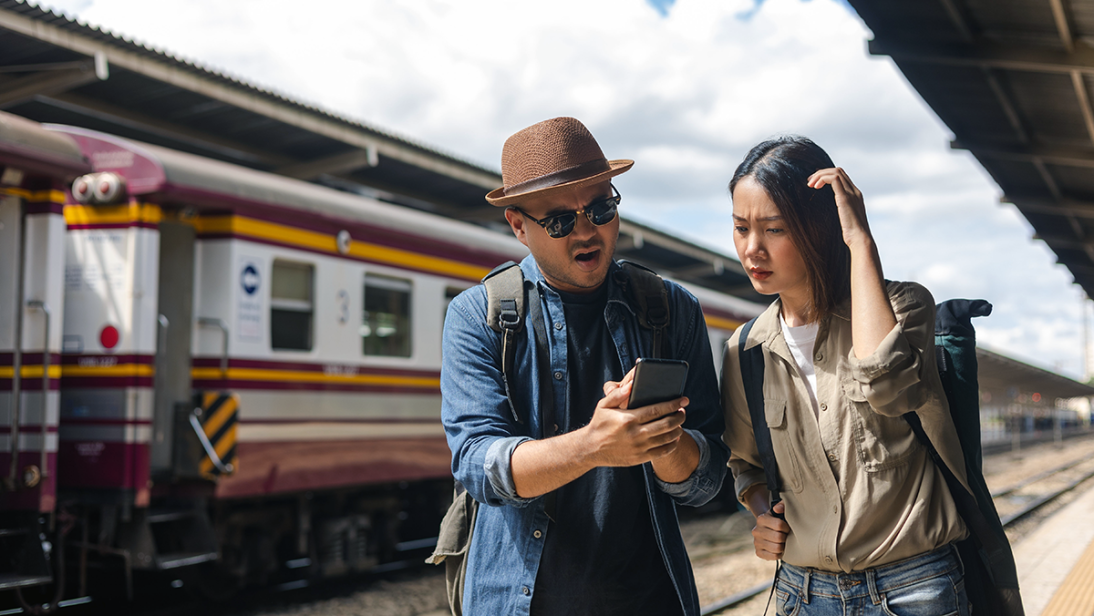
Although traveling is one of the best things in life, it can also be dangerous at times. Getting ripped off is one of the most common risks of flying. Scammers are constantly looking for ways to take advantage of visitors who don’t know what’s going on, whether they’re in a foreign city or a popular tourist spot. Scams like these can cause minor problems or big losses of money, but if you know what to look out for, you can keep yourself safe and make sure your trips are fun and safe. This article will discuss common travel scams and how to avoid them.
Why do con artists try to scam tourists?
Scammers love to target tourists because they don’t know the local customs, they don’t speak the language, and they are too busy enjoying their vacation to pay attention to anything else. Many scams count on tourists being confused and trusting others when they are in a place they don’t know. To stay safe when you travel, whether for work, fun, or excitement, you need to know what to look out for.
1. Fake taxi scams: only use services you know you can trust
The fake cab scam is one of the most popular ones that tourists fall for. Drivers who aren’t honest often wait around airports, bus stops, or tourist spots to offer rides for “cheap.” Once you’re in the car, they may take a longer route to charge you more or ask for too much money at the end of the ride.
- Take a car ahead of time or use a ride-hailing app like Uber or Lyft, where prices are clear and set.
- Use cab services you can trust. Look for approved cab lines or stands at airports or transportation hubs.
- Set the price of the cab ride ahead of time, or use a ride-hailing app to make sure you know how much it will cost.
2. Street performers and begging scams: don’t fall for fake performers.
Many street artists are real, but some are just trying to take advantage of tourists’ trust. Scammers may ask for money for “entertainment” or use a compelling story to get you to give them money.
- How to Avoid It: Be careful of artists who are pushy or who want to be paid right away.
- If you’re not sure they’re real, don’t give money to beggars or entertainers. Most of the time, it’s better to enjoy the show without having to do anything.
- Check for official permits. Many real street artists have a local permit or a sign that says they take gifts.
3. The Scam of the Fake Tour Guide: Only go on real tours
There are con artists who pretend to be tour guides to get people to pay for services that don’t exist. Guided trips are a great way to see new places. These fake tour guides might come up to you with flashy deals or lower prices, but they’ll either give you bad service or leave you without giving you a tour.
How to Avoid It: Only book tours through government sites or sites you know you can trust, like TripAdvisor or Viator.
Before you book a tour leader, read reviews and rates of them.
People who approach you directly and make deals without your asking should be avoided, especially in places with a lot of tourists.
4. Hotel booking scams: Make sure your reservations are correct
There are a lot of online booking sites, which makes it easy to fall for hotel scams. Scammers may make fake websites or ads for booking hotels that offer unbelievable prices. You might find out after you pay that the reservation was fake or that the hotel doesn’t exist.
- Avoid: Use well-known and popular sites like Booking.com, Hotels.com, or Airbnb to book your stay.
- Check out reviews on outside websites to make sure the property is real.
- You should never wire money to book a hotel room; using a credit card is safer.
- Before you arrive, make sure you confirm your reservation with the hotel directly, especially if you booked through a site you aren’t familiar with.
5. Pickpocketing: Be alert and keep your things safe
Pickpocketing is common in places around the world with lots of tourists. Scammers usually work in groups and use distractions like asking for directions or running into you to take your things.
- How to Stay Away: To keep your belongings safe, use anti-theft bags or money belts.
- Be careful when you’re in places with a lot of people, like on public transportation or at well-known tourist spots.
- Do not take around a lot of cash; instead, use a credit or debit card to pay for things.
- Put your phone, wallet, and ID somewhere close to you that zips up, like a pocket or bag.
6. Free gift scams: the gift you get isn’t really free
In some visitor spots, someone may come up to you and give you something “free,” like a bracelet, a flower, or a small item. Once you take the thing, they may demand a gift or payment, and they may be very rude about it.
- How to Avoid: Don’t accept things you didn’t ask for. Most of the time, people who give you a free gift are trying to trick you.
- Say “no” politely and keep going. Don’t get involved in talks that could make you feel like you have to pay for something.
- Stand your ground if someone tries to charge you for something you didn’t ask for.
7. Avoid skimming ATMs by using safe machines
Criminals use secret devices to steal your card information while you take cash from an ATM. This is called “aTM skimming.” It can be hard to spot these things because they often look like they are part of the ATM.
- How to Avoid It: Only use ATMs that are in safe, well-lit places, like banks or big hotels.
- Before you put your card in the ATM, check to see if it has any strange extensions or gadgets that seem fishy.
- Cover the keyboard while you enter your PIN, and make sure you regularly check your bank accounts for any transactions that were not allowed.
- Instead of using self-service tools, you might want to take money at a bank office.
8. Charge too much for food or drinks
Restaurants and street food sellers in tourist areas often charge too much for food and drinks that people don’t know they’re paying for. Prices may be jacked up or extra fees may be added at the end of your meal as part of this scam.
- How to Avoid It: Ask for the menu or price list right away, and if the prices aren’t clear, ask for more information.
- Don’t eat at places that don’t clearly show prices, especially in places with a lot of tourists.
- Carefully look over your bill and ask questions about any charges that don’t seem right.
9. People who are too friendly: Don’t trust them too much
Some people in the area are just nice to gain your trust and then scam you, but most of the people there are honest. They may ask you to a “local bar” or offer to help, but they’ll take you to a fake store and try to sell you overpriced items.
- How to Avoid: Be wary of offers of help that you haven’t asked for, especially if you haven’t asked for help.
- If something doesn’t feel right, kindly turn down the offer and walk away.
- Don’t follow someone to a place you don’t know or go into a store without first making sure it’s real.
10. Be aware of the “Police Check” scam; check IDs and stay calm
In some places, con artists may pretend to be police officers and say they need to check your papers or cash for anything illegal. They might threaten to arrest you if you don’t give them money or your belongings.
- How to Avoid It: If someone says they are a police officer, politely ask to see their ID. When asked, real police officers in most countries will show their badge.
- Don’t give up your valuables without a good reason
- You can call the police straight at their official number if you feel attacked or aren’t sure who someone is.
FAQs
1. What can I do to keep my passport safe while I’m traveling?
Wear a money belt or passport holder that you can hide under your clothes. Keep it in a safe place at all times and never leave it somewhere public or easy for anyone to get to.
2. Are all street sellers rip-off artists?
You should be careful around street sellers, but not all of them are con artists. Avoid sellers who try to hard-sell you something, and always make sure you know how much something costs before you buy it.
3. What should I do if a con artist tricks me?
Tell the local police and, if necessary, your ambassador about what happened. If you’ve lost money or belongings, you should freeze your accounts right away by calling your bank or credit card company.
4. How can I keep from getting ripped off in popular tourist spots?
Opt for reputable companies, avoid accepting unsolicited offers, and always verify prices before making a purchase. You can avoid most scams by being smart and careful.
5. What is the safest way to change money?
If you need to swap money, go to a bank or a real exchange shop. Avoid exchanging money on the street or with individuals who offer rates that appear excessively favorable.
In conclusion
Traveling is fun, and scams can happen, but they don’t have to throw off your whole trip. By reading up on scams, going with your gut, and using the tips in this piece, you can stay safe and have a great time on your trips. Remember that being careful, ready, and aware of your surroundings is the best way to avoid scams. Have a safe trip!